Archives
- 2026-11
- 2026-10
- 2026-09
- 2026-08
- 2026-07
- 2026-06
- 2026-05
- 2026-04
- 2026-03
- 2026-02
- 2026-01
- 2025-12
- 2025-11
- 2025-10
- 2025-09
- 2025-03
- 2025-02
- 2025-01
- 2024-12
- 2024-11
- 2024-10
- 2024-09
- 2024-08
- 2024-07
- 2024-06
- 2024-05
- 2024-04
- 2024-03
- 2024-02
- 2024-01
- 2023-12
- 2023-11
- 2023-10
- 2023-09
- 2023-08
- 2023-07
- 2023-06
- 2023-05
- 2023-04
- 2023-03
- 2023-02
- 2023-01
- 2022-12
- 2022-11
- 2022-10
- 2022-09
- 2022-08
- 2022-07
- 2022-06
- 2022-05
- 2022-04
- 2022-03
- 2022-02
- 2022-01
Recent studies suggest that A caused synapse damage as
2023-07-15
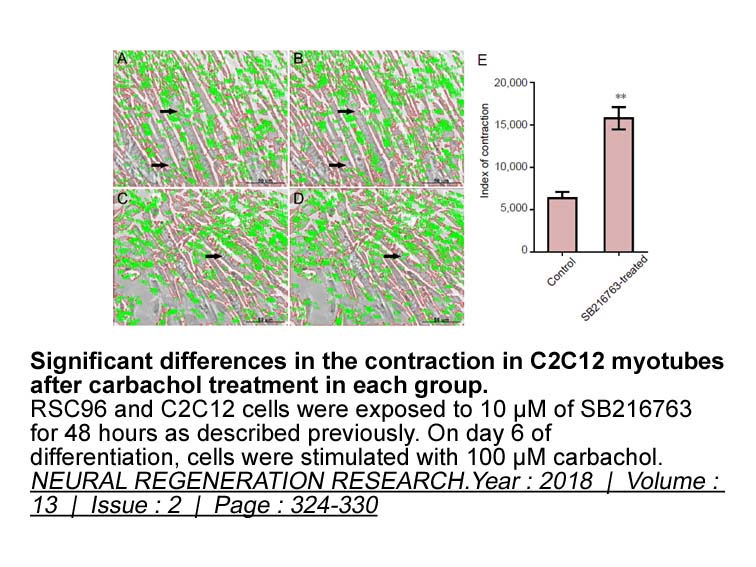
Recent studies suggest that Aβ caused synapse damage as a consequence of aberrant cell signalling. As synthetic Aβ42 monomers activate the phosphatidylinositol-3-kinase pathway (Giuffrida et al., 2009) and insulin signalling (Giuffrida et al., 2012) it is possible that Aβ monomers and Aβ oligomers a
Analysis of the crystal structures of LAPs from E
2023-07-15
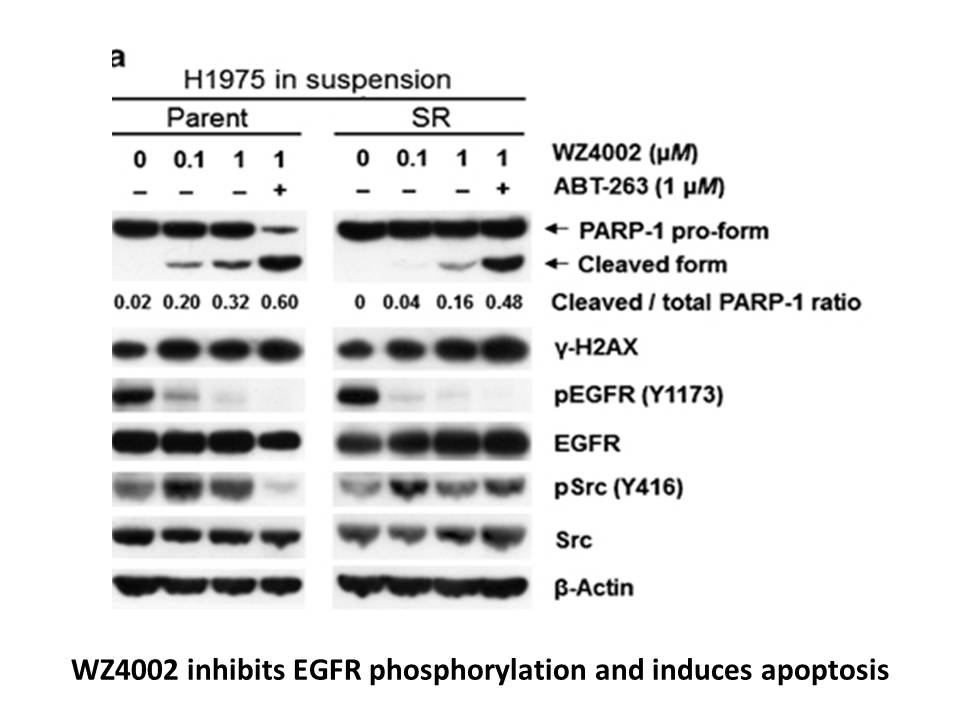
Analysis of the crystal structures of LAPs from E. coli[29], bovine eye lens [30], Pseudomonas putida[27], tomato [31] and P. falciparum[32] revealed that the monomer of M17-family LAP is composed of two domains: the smaller, variable N-terminal domain and the larger, conserved C-terminal domain tha
br Introduction Alcohol i e ethanol is absorbed into the
2023-07-15

Introduction Alcohol, i.e., ethanol, is absorbed into the blood from the stomach to the small intestine, then distributed throughout the body. The metabolism of alcohol converting to acetic VU 0155069 basically involves two enzymes; alcohol dehydrogenase converting ethanol to acetaldehyde and al
The AHR potentially enhances IDO expression possibly via cro
2023-07-15
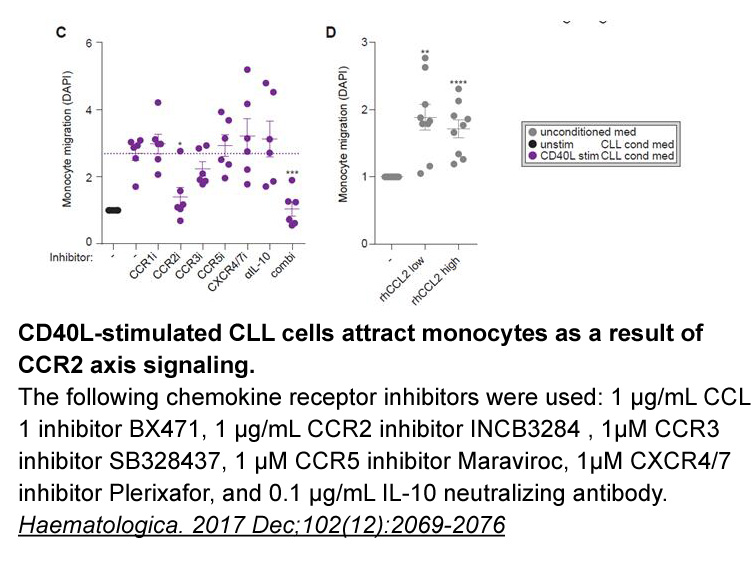
The AHR potentially enhances IDO-expression, possibly via crosstalk with several inflammatory signaling pathways (shown by now for IL6 and ‘signal transducer and activator of transcription’ (STAT) 3, and for NFκB, toll like receptor-pathways) [56,59,60]. IDO metabolizes Trp to kynurenines, which are
br Mechanisms for regulation of intracellular cholesterol ho
2023-07-15
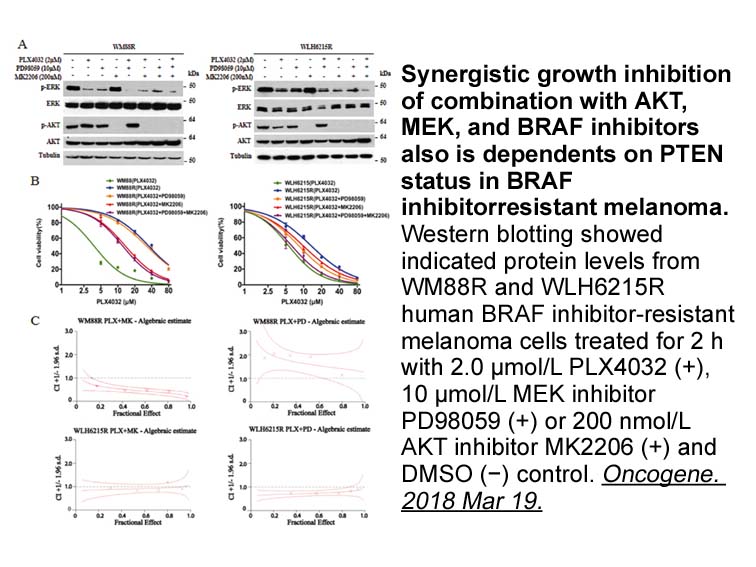
Mechanisms for regulation of intracellular cholesterol homeostasis Cells maintain intracellular free cholesterol levels and distribution within stringent tolerances by several mechanisms [55]: (1) uptake of native LDL (the major extracellular carrier of cholesterol) by LDL receptors and modified
We have expressed the ECDs of the human and AChR
2023-07-15
We have expressed the ECDs of the human α1, β1, γ and ɛ AChR subunits in the past using the methylotropic yeast Pichia pastoris as soluble glycosylated proteins [15], [16]. Further work with the γ subunit ECD revealed a marked improvement of the solubility and yield following the mutation of hydroph
The sequence of our reconstructed Anc is inferred
2023-07-15
The sequence of our reconstructed βAnc is inferred based on probabilities, and the estimated probability of inferring the actual ancestral sequence is the product of the posterior probabilities for each site within the reconstructed sequence. Although the posterior probabilities (PP) for the majorit
A variety of quinazoline or fused pyrimidine substituted dia
2023-07-15
A variety of quinazoline or fused pyrimidine-substituted diaminotriazoles showed sub-100nM inhibition of Axl (). Diaminotriazoles similarly substituted with quinolines, isoquinolines and benzothiazoles also showed potent Axl activity (data not shown), but generally exhibited potent cytotoxicity and
In conclusions MPE effects in causing lesser increase in vag
2023-07-15
In conclusions, MPE effects in causing lesser increase in vaginal fluid pH could partly restore the vaginal acidity in sex-steroid deficient state. MPE could exert its effect via enhancing both H+ generation as well as H+extrusion into the vaginal lumen. Although gallic Cy3 azide is the main constit
Introduction Lipoxygenases LOXs are key enzymes that catalyz
2023-07-15
Introduction Lipoxygenases (LOXs) are key enzymes that catalyze the polyunsaturated fatty acids (PUFAs) such as arachidic 350 receptor (AA), linoleic acid (LA) and others unsaturated fatty acids (Brash, 1999). LOXs are expressed in immune, neural, epithelial, tumor cells and other cells (Claesson,
Introduction The corpus luteum CL is a transient endocrine g
2023-07-14
Introduction The corpus luteum (CL) is a transient endocrine gland that differentiates from the thecal and granulosal cells of the ovarian follicle after ovulation. Its formation and limited lifespan in the mammalian ovary is important for fertility, as the CL produces progesterone (P4), the essent
br Results br Discussion br STAR Methods
2023-07-14
Results Discussion STAR★Methods Author Contributions Acknowledgments We thank Angela Walker for assistance with the manuscript; Junlin Liu, Xiangxiang Gu, Na Chen, Lu Xue, and the BV Core Facility of iHuman Institute for their support; scientists and colleagues at Amgen Inc., Zhulun W
This progressive behaviour is summarized in Fig which depict
2023-07-14
This progressive behaviour is summarized in Fig. 4, which depicts the variation in convexity of the obtained cut-off patterns for the series of six antioxidants. The form and degree of convexity of the obtained cut-off curves should in principle correlate with the AOs hydrophobicities, and therefor
br Antibiotic drug discovery approaches Traditionally novel
2023-07-14
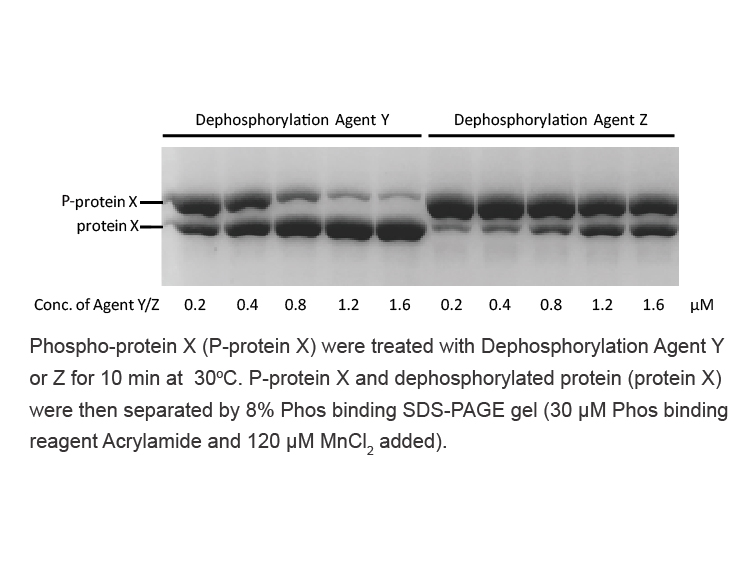
Antibiotic drug discovery approaches Traditionally, novel spleen tyrosine kinase were largely discovered by phenotypic screening approaches of various sources of compounds, such as natural products isolated from extracts of soil microbes and semi-synthetic or fully synthetic compound libraries d
What are the in situ effects of multi site
2023-07-14
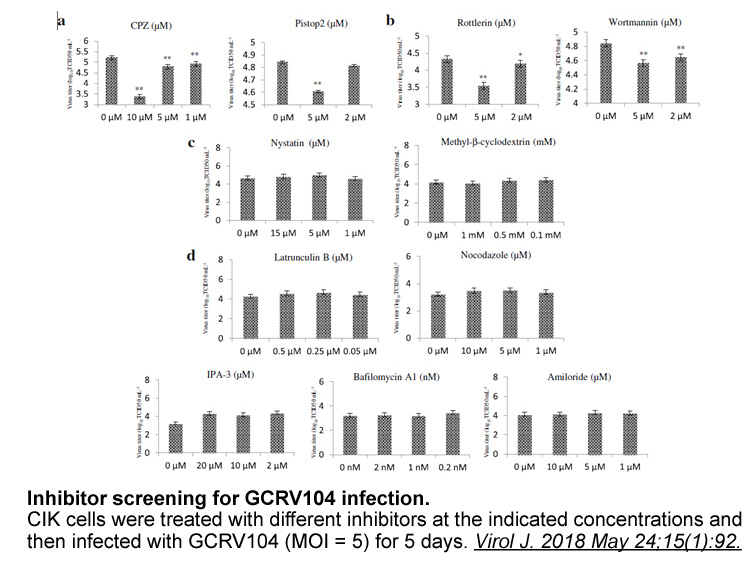
What are the in-situ effects of multi-site CaM associations with AT1R? Kai et al. showed that synthetic peptides corresponding to residues 125–137 (rat sequence) in SMD2, 217–227 in the N-terminal side of SMD3, and 304–316 in SMD4JM inhibit to various degrees AngII-induced GTPase activity of isolate
8825 records 373/589 page Previous Next First page 上5页 371372373374375 下5页 Last page